
When choosing a dog crate, most people focus on size, durability, and comfort. While these factors are essential, there’s one critical aspect that often gets overlooked—ventilation. Proper ventilation is crucial to your dog’s safety, health, and overall well-being, whether the crate is for indoor use, travel, or outdoor containment.
In this guide, we’ll discuss why ventilation is vital when selecting a dog crate, the risks of inadequate airflow, and how to choose a crate with optimal ventilation features.
Why Ventilation Is Crucial for Your Dog’s Well-Being
Dogs are naturally more sensitive to temperature changes than humans. Without proper ventilation, a crate can become hot, stuffy, and uncomfortable—even dangerous. Let’s break down why adequate airflow is so important:
1. Prevents Overheating and Heat Stroke
Dogs do not sweat like humans. They regulate their body temperature primarily through panting. When a crate lacks ventilation, it traps heat, turning the space into a sauna. This can lead to:
- Heat Exhaustion: Lethargy, heavy panting, and drooling.
- Heat Stroke: A life-threatening condition that can cause collapse or even death.
- Dehydration: Rapid fluid loss from excessive panting.
This is especially true for:
- Brachycephalic Breeds: Like Bulldogs and Pugs, which already struggle with breathing.
- Thick-Coated Breeds: Such as Huskies and Malamutes, which overheat more quickly.
- Senior Dogs and Puppies: More vulnerable to temperature extremes.
2. Reduces Anxiety and Stress
Dogs feel more comfortable in environments where they can see and smell the outside world. Proper ventilation not only keeps air circulating but also:
- Reduces Claustrophobia: Dogs feel less confined when they can sense their surroundings.
- Minimizes Noise Buildup: Crates with poor ventilation can amplify sounds, causing stress.
- Improves Comfort: Keeping the air fresh helps your dog feel relaxed and at ease.
3. Minimizes Odor and Bacterial Buildup
Stale air in a poorly ventilated crate can lead to:
- Unpleasant Odors: Caused by moisture buildup and lack of airflow.
- Bacterial Growth: Damp, confined spaces are breeding grounds for bacteria and mold.
- Health Risks: Respiratory issues and infections can develop over time.
4. Maintains Air Quality
Even if the crate is clean, trapped air can quickly become stale and uncomfortable. Good airflow:
- Keeps the Crate Fresh: Reduces the buildup of odors from shedding, saliva, or waste.
- Supports Healthy Breathing: Especially important for dogs with respiratory issues.
5. Promotes Better Sleep and Relaxation
A well-ventilated crate feels more open and inviting. Dogs that feel secure and comfortable are more likely to:
- Sleep Peacefully: Without feeling trapped or suffocated.
- Settle Down Quickly: Making crate training easier and more effective.
Risks of Poor Ventilation in Dog Crates
Choosing a crate with inadequate airflow can have serious consequences. Here are the most common risks associated with poor ventilation:
1. Heat-Related Illnesses
Crates that trap heat can become dangerously warm, leading to symptoms like:
- Excessive panting and drooling
- Rapid heartbeat and weakness
- Vomiting or collapse
2. Anxiety and Behavioral Problems
Dogs kept in cramped, stuffy crates may develop anxiety and exhibit behaviors like:
- Barking and whining
- Scratching and biting at the crate walls
- Chewing and destructive behavior
3. Respiratory Problems
Breeds prone to breathing difficulties, such as Bulldogs and Pugs, are at even greater risk. Poor ventilation can exacerbate conditions like:
- Brachycephalic Airway Syndrome
- Upper respiratory infections
- General breathing discomfort
How to Choose a Crate with Good Ventilation
When selecting a crate, look for the following features to ensure optimal airflow:
1. Ventilation Holes on Multiple Sides
The more ventilation points, the better. Ideally, the crate should have:
- Four-Sided Ventilation: Ensures consistent airflow from all angles.
- Perforated Aluminum or Metal Panels: Strong yet breathable.
2. Open Bar or Wire Design
Wire crates inherently provide maximum ventilation, but:
- Ensure the spacing is safe and secure.
- Choose coated wires to prevent rust and sharp edges.
3. Perforated Panels
Heavy-duty crates like those from Impact Dog Crates use perforated aluminum, allowing:
- Durability without compromising airflow
- Even distribution of ventilation across the crate
4. Door and Window Placement
Crates with:
- Multiple Doors: Provide flexibility and added ventilation.
- Mesh Windows: Ideal for soft-sided crates, enhancing airflow and visibility.
Best Crates for Ventilation and Safety
Here are some of the top-rated dog crates that excel in ventilation:
Impact Collapsible Dog Crate
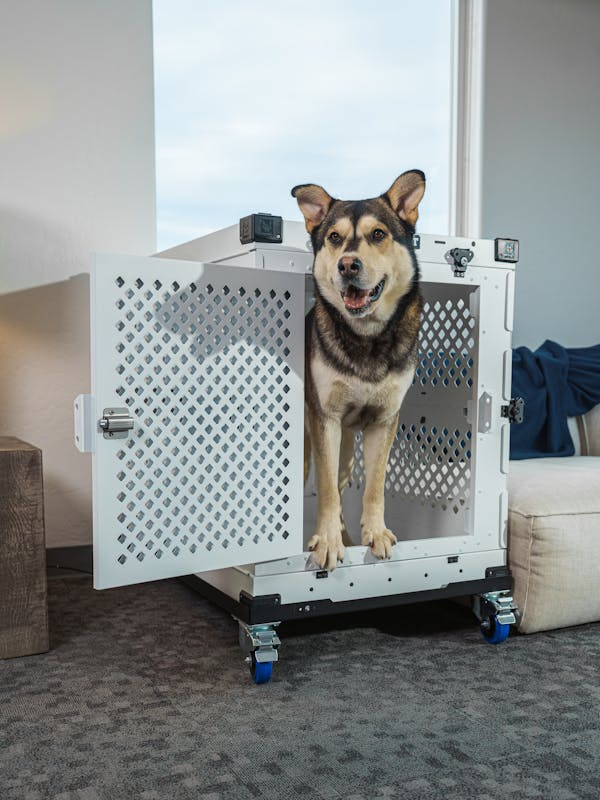
Best for: Maximum Ventilation and Durability
- Material: Aircraft-Grade Aluminum
- Features:
- Perforated sides for optimal airflow
- Collapsible design for easy transport
- Tamper-proof latches
- Noise-dampening construction
- Perforated sides for optimal airflow
- Why It’s the Best: Combines strength with exceptional ventilation, making it ideal for hot climates and anxious dogs.
MidWest iCrate Folding Metal Dog Crate
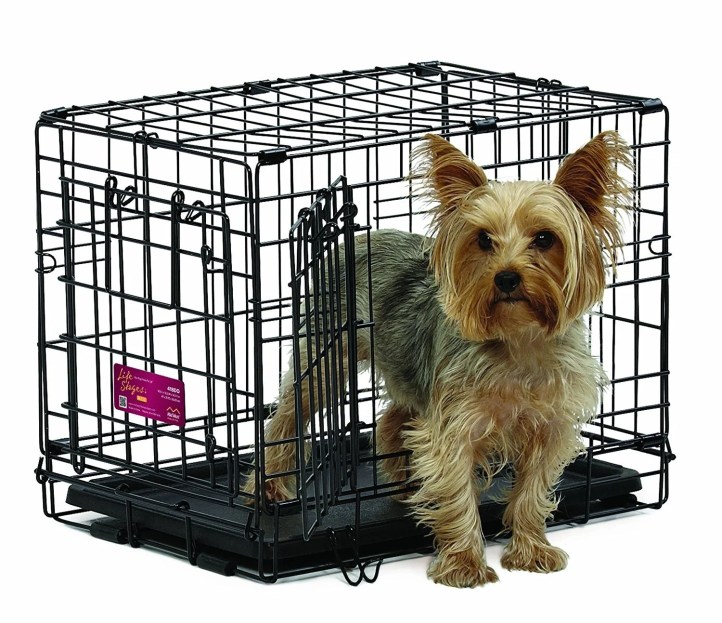
Best for: Budget-Friendly and Well-Ventilated
- Material: Metal Wire
- Features:
- Open wire design for maximum airflow
- Double door access
- Slide-bolt latches for security
- Open wire design for maximum airflow
- Why It Works: A cost-effective option that ensures continuous ventilation from all sides.
Gunner G1 Kennel

Best for: Travel Safety with Adequate Ventilation
- Material: Rotomolded Double-Walled Plastic
- Features:
- Ventilation windows on all sides
- Crash-tested and certified for vehicle safety
- Secure locking door
- Ventilation windows on all sides
- Why It’s Reliable: Combines rugged durability with enough ventilation for comfort during long trips.
EliteField 3-Door Folding Soft Dog Crate
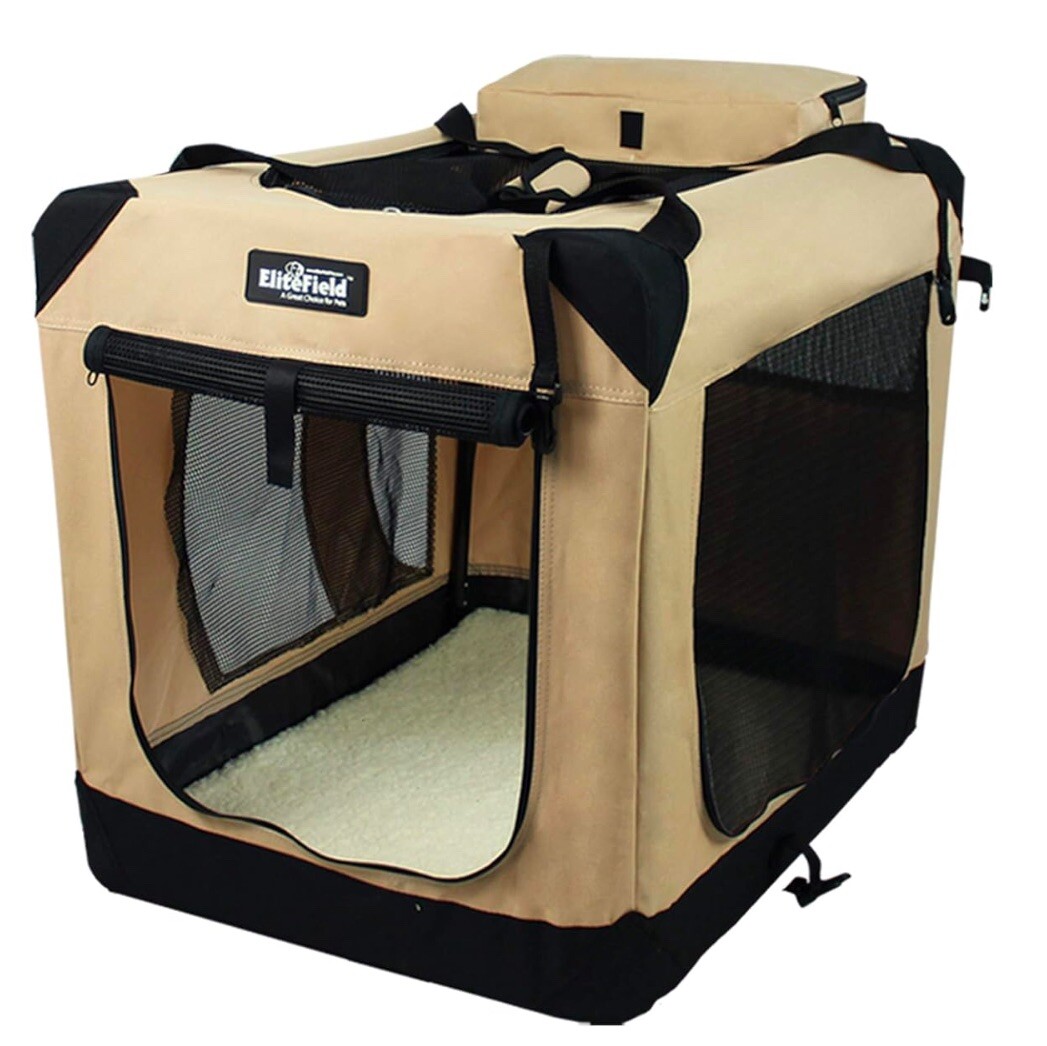
Best for: Lightweight and Portable Ventilation
- Material: Soft Fabric with Mesh Windows
- Features:
- Three mesh doors for full airflow
- Lightweight and foldable design
- Well-ventilated on all sides
- Three mesh doors for full airflow
- Why It’s Great: Perfect for indoor use and short trips, providing a breathable space for calm dogs.
Why Impact Dog Crates Are the Best for Ventilation
Among heavy-duty crates, Impact Dog Crates stand out due to their thoughtful design:
- Perforated Aluminum Panels: Allow airflow without compromising structural integrity.
- Four-Sided Ventilation: Keeps your dog cool and comfortable.
- Rust and Corrosion Resistance: Maintains quality even in humid or outdoor environments.
- Escape-Proof Design: Offers peace of mind without sacrificing breathability.
Investing in an Impact Dog Crate means choosing a product that ensures both safety and comfort, even during hot weather or stressful situations.
Final Thoughts: Prioritize Ventilation for Your Dog’s Health
Ventilation is not just an add-on feature—it’s a necessity for your dog’s well-being. A well-ventilated crate prevents overheating, reduces stress, and ensures your pet feels comfortable even during long periods of containment.When choosing a crate, don’t just focus on size or durability. Make ventilation a top priority, especially if your dog will be spending extended time inside. By opting for a crate like the Impact Dog Crate, you’re guaranteeing both safety and comfort, making your investment truly worthwhile.
 My Dog Crates