
Choosing the right size dog crate is essential for your pet’s comfort, safety, and well-being. A crate that’s too small can make your dog feel cramped and stressed, while one that’s too large can encourage accidents and lack the cozy, secure feeling dogs naturally seek.
In this guide, we’ll break down how to properly size a dog crate, covering everything from measuring your dog to selecting the best crate type for their needs. Whether you’re training a new puppy or finding a home for your adult dog, the right crate size makes all the difference.
Why Proper Crate Sizing Matters
A well-sized dog crate serves as a safe, comfortable space for your dog to relax, sleep, and feel secure. Improper sizing can lead to:
- Discomfort and Anxiety: Too small of a crate can cause stress and joint pain.
- Behavioral Issues: A too-large crate may feel insecure, reducing the den-like comfort.
- Accidents: Dogs are more likely to use one end as a bathroom if the crate is too spacious.
- Safety Hazards: Inadequately sized crates can cause injury if your dog tries to forcefully move around.
The ideal crate should feel like a cozy den where your dog can stand up, turn around, and lie down comfortably without feeling overwhelmed by excess space.
Step 1: Measuring Your Dog for a Crate
Accurate measurements are key to selecting the right crate size. Here’s how to do it:
1. Length Measurement
- Measure from the tip of your dog’s nose to the base of the tail (not the tip of the tail).
- Add 4 inches to this measurement to ensure comfort.
- This length will give your dog enough space to stretch out while lying down.
2. Height Measurement
- Measure from the floor to the top of your dog’s head or ears (whichever is taller).
- Add 4 inches to this height to allow your dog to stand comfortably.
3. Width Consideration
- Most crates are proportionate in width, but it’s good to ensure the crate is wide enough for your dog to lie comfortably.
Step 2: Crate Size Guidelines Based on Dog Breed
While measuring your dog directly is the best approach, you can also use general breed guidelines to estimate crate size:
| Dog Size | Weight Range | Crate Dimensions (L x W x H) | Example Breeds |
| Toy Breeds | Up to 15 lbs | 18″ x 12″ x 14″ | Chihuahua, Pomeranian |
| Small Breeds | 15-30 lbs | 24″ x 18″ x 21″ | Dachshund, French Bulldog |
| Medium Breeds | 30-50 lbs | 30″ x 21″ x 24″ | Beagle, Cocker Spaniel |
| Large Breeds | 50-90 lbs | 36″ x 24″ x 27″ | Labrador, Boxer |
| Extra Large | 90-110 lbs | 42″ x 28″ x 31″ | German Shepherd, Rottweiler |
| Giant Breeds | 110+ lbs | 48″ x 30″ x 33″ | Great Dane, Saint Bernard |
Always adjust the size based on your dog’s unique dimensions, especially if your dog is taller or longer than typical for their breed.
Step 3: Selecting the Right Crate Type for Comfort and Safety
Different crate types serve different needs. The best choice often depends on your dog’s temperament, lifestyle, and purpose of crating.
1. Wire Crates
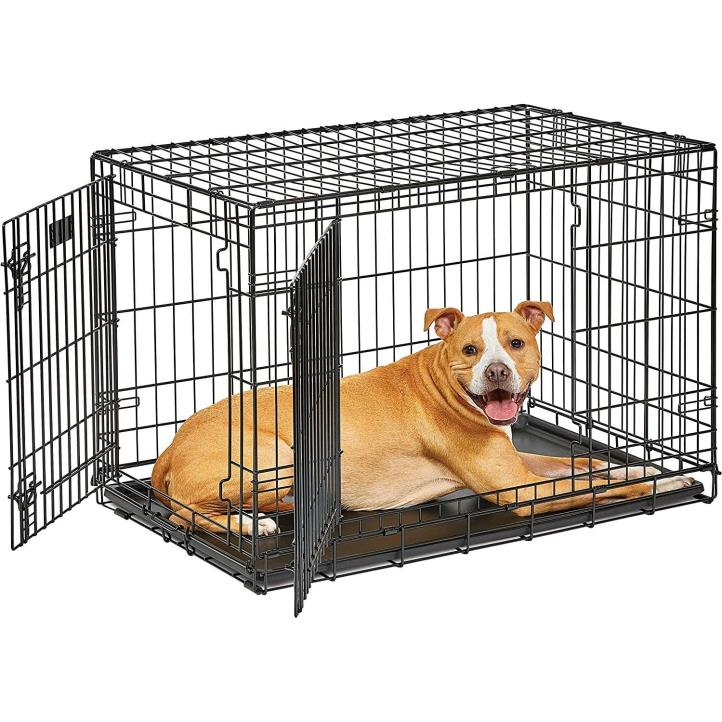
- Best For: Well-behaved or calm dogs, indoor use.
- Pros: Great ventilation, easy to clean, collapsible for storage.
- Cons: Noisy and less durable for anxious chewers.
- Sizing Tip: Opt for a crate with adjustable dividers to accommodate growth.
2. Plastic Crates
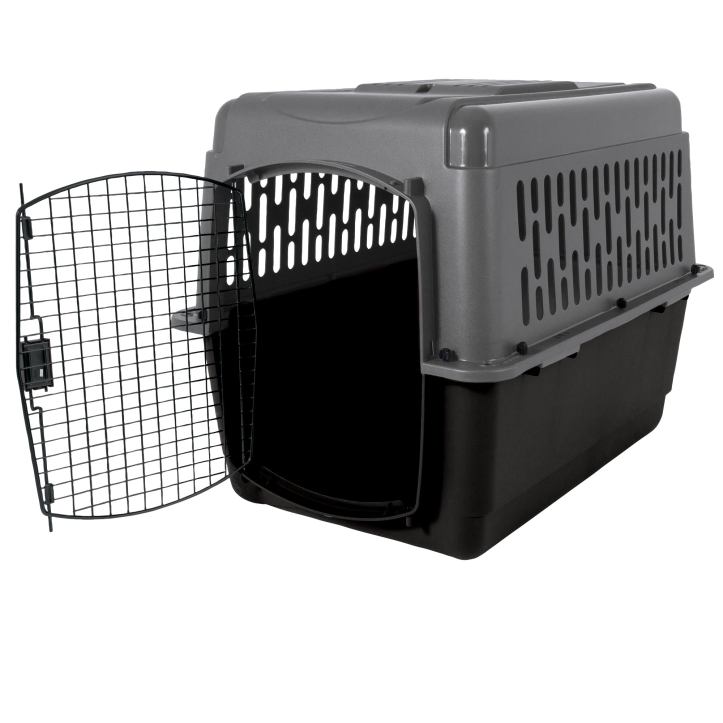
- Best For: Travel, moderate chewers, dogs that prefer a den-like space.
- Pros: Enclosed sides for a cozy feel, durable against moderate impact.
- Cons: Limited airflow, can feel cramped.
- Sizing Tip: Make sure your dog has enough headroom and the door is secure.
3. Heavy-Duty Crates (Aluminum or Steel)
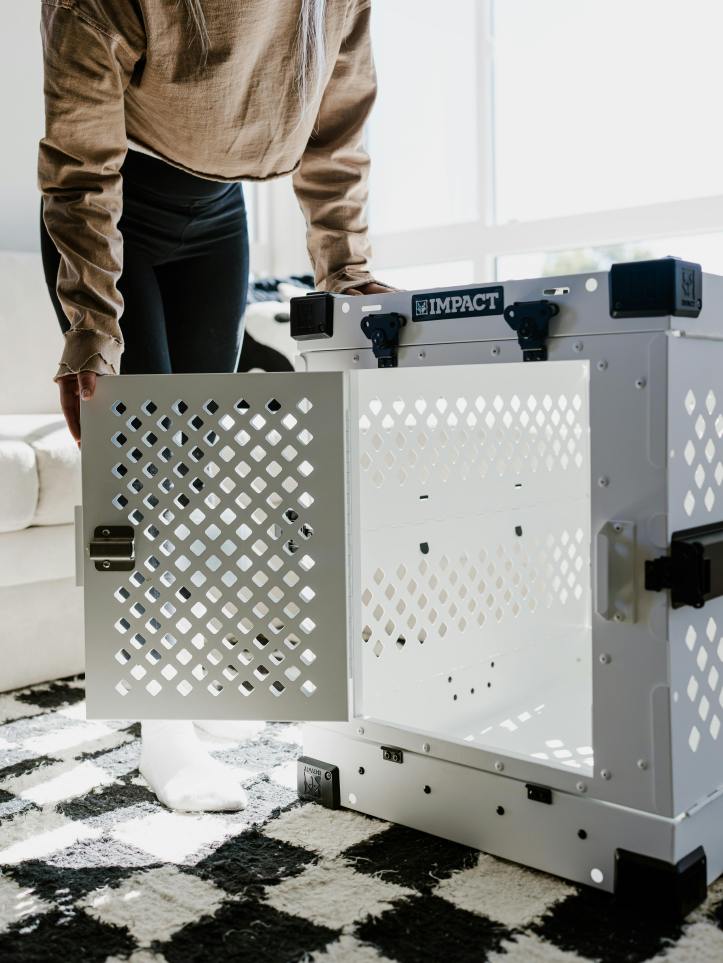
- Best For: Strong, anxious, or escape-prone dogs.
- Pros: Extremely durable, chew-proof, and escape-resistant.
- Cons: Heavier and more expensive.
- Sizing Tip: Prioritize crates like Impact Dog Crates that offer superior durability and security.
4. Soft-Sided Crates
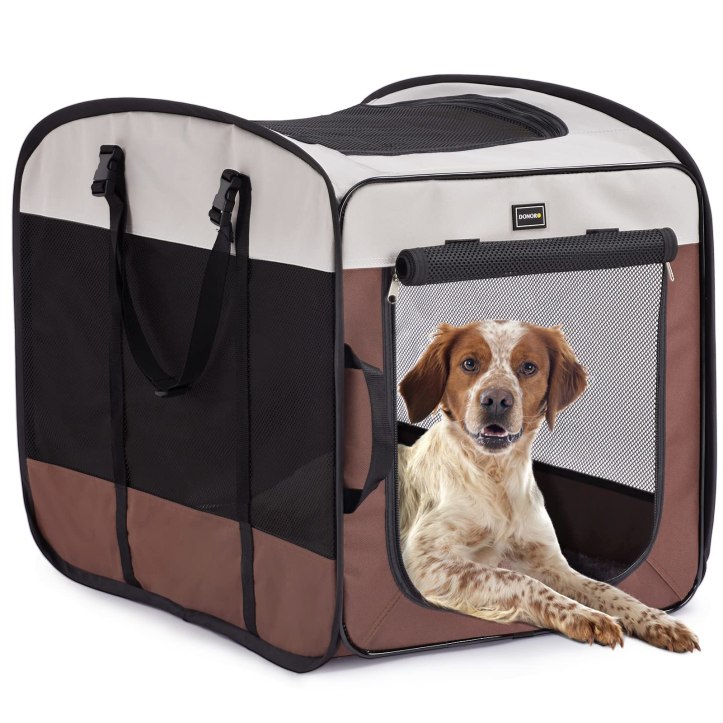
- Best For: Calm dogs, temporary indoor use, travel.
- Pros: Lightweight and portable.
- Cons: Not chew-proof, prone to tearing.
- Sizing Tip: Only suitable for well-trained dogs that do not scratch or chew.
Step 4: Adding Comfort to the Crate
Even with the perfect size, a crate needs to feel inviting and cozy. Here’s how to make it comfortable:
- Bedding: Use an orthopedic mat or padded bed that fits snugly.
- Crate Cover: A breathable cover gives a den-like feel and reduces anxiety.
- Toys and Chews: Keep your dog entertained while crated.
- Water Dispenser: Attach a water bottle to the door for easy access.
Step 5: Adjusting for Puppies and Growing Dogs
If you’re buying a crate for a puppy, invest in a larger crate with a removable divider. This allows you to create a smaller space initially and expand it as your dog grows.
Why Dividers Matter:
- Prevents puppies from using part of the crate as a bathroom.
- Reduces stress by keeping the space snug and secure.
- Saves money by eliminating the need to buy multiple crates as your dog matures.
Why Impact Dog Crates Are Ideal for Sizing and Safety
Choosing the right size crate is important, but durability and security should not be overlooked. Impact Dog Crates are designed with:
- Aircraft-Grade Aluminum Construction: Ensures long-lasting durability and chew resistance.
- Optimal Ventilation: Perforated sides keep airflow consistent without compromising strength.
- Tamper-Proof Latches: Prevent clever dogs from escaping.
- Noise Reduction Design: Keeps crate time quiet and less stressful.
By choosing the correct size and a reliable brand like Impact Dog Crates, you provide your dog with a safe, comfortable, and long-lasting space they’ll love.
Common Mistakes to Avoid
- Buying a Crate That’s Too Big: It may lead to accidents as dogs may use one end as a bathroom.
- Overlooking Durability: Don’t sacrifice strength for size, especially with strong breeds.
- Neglecting Ventilation: Crates without proper airflow can become stuffy and uncomfortable.
- Skipping Dividers for Puppies: An oversized crate can hinder training success.
Final Thoughts: Prioritize Comfort and Safety
Proper crate sizing is about balancing your dog’s need for comfort and security with the practicality of training and containment. Measure your dog accurately, choose the right crate type, and consider your pet’s temperament and growth.
For strong and determined dogs, investing in a durable, escape-proof crate like those from Impact Dog Crates ensures long-term safety and peace of mind. A correctly sized and well-constructed crate becomes not just a containment solution but a personal retreat your dog will love.
Choose wisely, and give your dog the safe, comfortable space they deserve.
 My Dog Crates